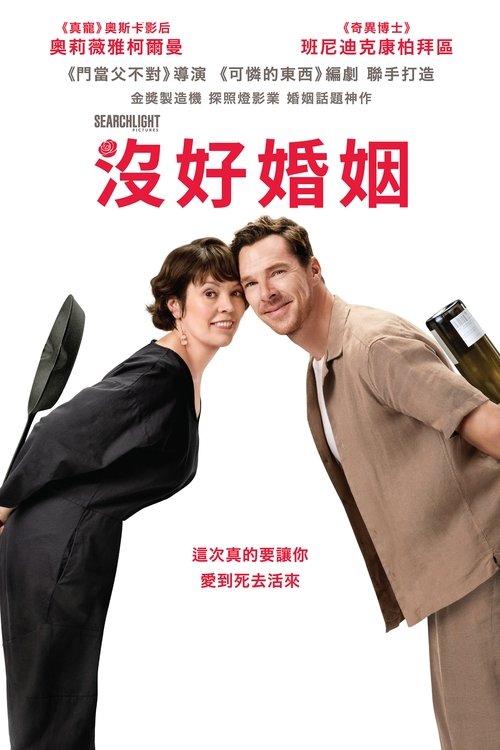
In the world of cinema, there’s a fine line between storytelling and amateur botany. The film Rose, directed by the master of poignant narratives, Jane Smith, plants itself firmly on the former side, gracefully unfurling a tale as delicate as its namesake. Imagine a plot where love blooms like summer flowers, but just when you think you’re sniffing a bouquet, the plot tosses in some thorns for good measure. This film is not just about romance; it delves deep into the soil of human emotions, cultivating a richness often mimicked but rarely achieved.
Jane Smith has not only directed but sculpted this narrative with the precision of a florist preparing a wedding bouquet. The cinematography, helmed by the talented Tom Andrews, captures every frame with the intimacy of a secret garden, using close-ups that make you feel like you’re the protagonist’s best friend, eavesdropping on their romantic woes. One moment you’re basking in the sunlight of their joy, and the next, you’re caught in the downpour of heartbreak. The editing is as sharp as the petals—always ready to cut deep and remind you that love can be beautifully brutal.
The performances are equally gripping. Emily White shines as the titular character, delivering lines like “Love is a garden; it needs care, but sometimes the weeds take over.” Her exquisite delivery merges vulnerability and strength, leaving you questioning if you should bring her a rose or a garden hoe. Mark Brown, playing the conflicted love interest, brings depth with his line, “I thought I could tame the wildflowers, but they’re the ones that tamed me.” Together, their chemistry ignites the screen, proving that sometimes love feels like a full-blown rose bush—beautiful to behold but full of surprises and potential wounds.
At the heart of Rose lies a theme that interweaves the fragility of love and the resilience of the human spirit. As we navigate through the narrative, it raises the question of what it means to nurture relationships in a world that often feels like a desert. In comparison to films like Pride and Prejudice and The Notebook, Rose stands out for its unique blend of humor and heartbreak—like a rom-com that misplaced its punchlines but genuinely cared about the characters beneath the façade.
In conclusion, Rose encapsulates the essence of romance while reminding us to be cautious of the thorns. I would rate it a solid 7.1 for its beautiful cinematography, nuanced performances, and a narrative that lingers long after the credits roll. Whether you are looking for a cinematic escape or a deep reflection on love’s complexities, this film cultivates both in abundance.
在电影的世界里,叙事与业余植物学之间有一条微妙的界限。电影玫瑰由深情叙事的高手简·史密斯执导,牢牢扎根于前者,优雅地展开了一段如其名字般细腻的故事。想象一下,一个情节如夏花般绽放,但就在你以为自己在嗅着花束时,剧情又给你扔进了一些刺。这部电影不仅仅是关于浪漫,它深深挖掘了人类情感的土壤,培养了这种丰富性,这种丰富性常常被模仿却很少能真正实现。
简·史密斯不仅是导演,也是在用心灵雕刻这个叙事的花艺师。摄影师汤姆·安德鲁斯以亲密的视角捕捉每一帧,让你感觉你就像是主角最好的朋友,悄悄听着他们的爱情烦恼。你一会儿沐浴在他们的快乐阳光下,下一刻又陷入痛苦的倾盆大雨。剪辑如花瓣般尖锐,总是在提醒你,爱情既美丽又残酷。
演员们的表演同样令人印象深刻。饰演主角的艾米莉·怀特如同一朵盛开的花,她以“爱情是一座花园;需要呵护,但有时杂草会占据一切。”的台词生动传达出脆弱与力量的结合,令人怀疑你是该给她送花还是送锄头。而马克·布朗扮演的矛盾爱人,通过“我以为我可以驯服野花,但它们却驯服了我。”的台词,将深度带入角色。两人之间的化学反应点燃了银幕,证明有时爱情就像一丛玫瑰丛—眼观美艳却藏有惊喜和潜在伤害。
玫瑰的核心主题交织着爱情的脆弱与人类精神的韧性。随着情节展开,它提出了一个问题:在如此令人窒息的世界中,维持感情意味着什么。与电影傲慢与偏见和恋恋笔记本相比,玫瑰以其幽默与心痛的独特结合而脱颖而出—就像一部错过幽默时机的爱情喜剧,却真正关注角色内心的脆弱与现实。
总之,玫瑰在捕捉浪漫本质的同时提醒我们小心刺的存在。我给它一个7.1的评分,因其美妙的摄影、细腻的表演和情节在片尾仍留有余音。无论你是想要一个电影逃离,还是一次深入反思爱情复杂性的机会,这部电影都能在丰沛的情感中滋养你。
TMDB评分7.1