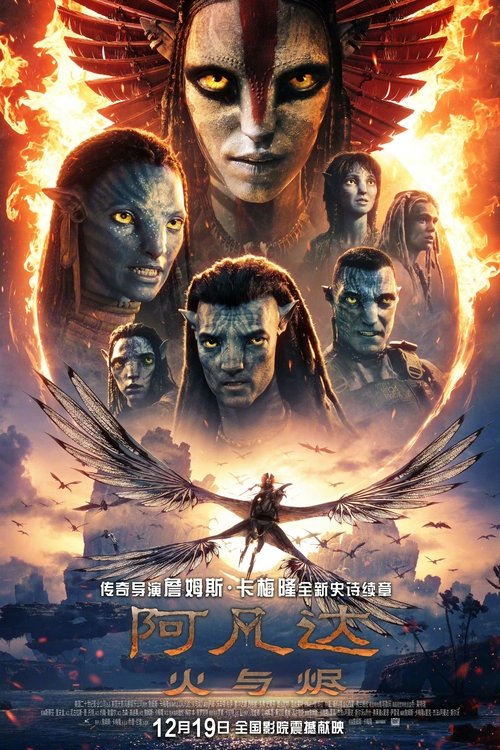
Title: Avatar: The Way of Water
In the grand theater of cinematic marvels, where blue-skinned aliens frolic in bioluminescent wonder, “Avatar: The Way of Water” plunges us deep into the currents of another visually spectacular journey. This time, director James Cameron—an auteur who seemingly bathes in the elixir of creativity—takes us beneath the surface of the Pandora’s oceans with the same glee that a child has on seeing a puppy for the first time. What could go wrong? You dive in, and it’s just a splash of uncertainty mixed with a tsunami of emotions.
The sequel to the 2009 megahit not only revisits familiar faces like Jake Sully and his fierce partner, Neytiri, but also expands the emotional landscape of their family and the myriad of underwater clans. Suddenly, our heroes have grown from naive tree-huggers to full-fledged aquatic parents—a leap that somehow feels both thrilling and a touch surreal, much like riding a whale with a hangover.
As for the story, it doesn’t deviate far from its predecessors: the Sully family faces external threats while dealing with internal strife—basically, your typical family dynamics, although set against the backdrop of a war-driven society and breathtaking water visuals akin to National Geographic on a creative caffeine rush.
Now, let’s dive into the technical aspects. Cameron’s command of visual storytelling remains unparalleled. The cinematography, courtesy of Russell Carpenter, immerses us in a rich tapestry of colors and textures. Every frame is a work of art, reminding us that sometimes, the real world pales in comparison to Cameron’s technicolor fantasies. The sound design, too, is extraordinary—like an underwater symphony, or perhaps the audio version of baking a cake while riding a dolphin.
The performances lean heavily on Sam Worthington and Zoe Saldana, who master the art of portraying parents under existential threat—an everyday struggle rendered battleground-worthy. Meanwhile, the villainy of Stephen Lang‘s character crackles with menace, proving that not all who wander are lost—some are just grumpy soldiers with a vendetta.
The heart of “Avatar: The Way of Water” beats with themes of familial bonds, environmentalism, and the age-old battle between expansion and preservation. The dialogue cleverly encapsulates these motifs, particularly when Neytiri asserts, “We will protect our own, or die trying,” a sentiment resonating through generations—or at least until the next sequel rolls around.
In comparison with classics like Finding Nemo and Blue Planet, Cameron’s underwater universe is a fresh twist—though it raises the question: how much beauty can we handle before it washes us away?
In conclusion, I give “Avatar: The Way of Water” a solid 7.277 stars out of ten, not for its narrative complexity, which often burbles like a confused fish, but for the sheer visual and emotional experience it offers. It’s an invitation to get lost in the wonder of cinema—just remember to hold your breath.
—
标题:阿凡达:火与烬
在电影奇观的宏伟舞台上,蓝皮肤外星人与荧光灿烂的奇观嬉戏,《阿凡达:火与烬》将我们深深地浸入又一次视觉盛宴的潮流之中。这一次,导演詹姆斯·卡梅隆——一个似乎在创意之泉中沐浴的艺术家——带我们潜入潘多拉海洋的深处,犹如儿童第一次看到小狗时的欣喜。会发生什么呢?你跳进去,然后就是一丝不安与情感海啸的混合。
这部2009年超级热卖的续集不仅重访了熟悉的面孔,比如杰克·萨利和他英勇的伴侣奈蒂莉,还扩展了他们家庭的情感图景以及各种水下部落。突然间,我们的英雄们从无知的树木拥护者成长为全副武装的水下父母——这一飞跃令人兴奋,也略带超现实感,就像骑在海豚上的时候,醉醺醺的感觉。
至于故事,它并未偏离前作:萨利一家面临外部威胁的同时,还要应对内部矛盾——基本上,这就是典型的家庭动态,只不过背景是一个战火纷飞的社会和令人瞠目结舌的水下美景,就像《国家地理》在创意咖啡因的冲击下。
现在,让我们深入技术层面。卡梅隆在视觉叙事上的指挥无与伦比。摄影师拉塞尔·卡朋特的摄影让我们沉浸于丰富多彩、细腻质感的画面之中。每一帧都是艺术品,提醒我们,有时候,现实世界在卡梅隆的彩色幻想面前显得相形见绌。声音设计也是超凡,仿佛是水下交响乐,或者说是骑着海豚时烘焙蛋糕的音效。
表演上,萨姆·沃辛顿和佐伊·萨尔达纳在面对生死威胁时展现了父母的化身——一场战斗的日常斗争被渲染得如同战场。而反派斯蒂芬·朗的表现则充满威胁感,证明了并非所有迷路的人都失去方向,有些人只是心怀复仇的士兵。
《阿凡达:火与烬》的核心主题围绕家庭纽带、环境主义,以及扩展与保护间的久远斗争。电影中的对话巧妙地诠释了这些主题,尤其是当奈蒂莉坚定地表示:“我们将保护自己,或死去”,这一情感跨越世代共鸣——或者至少等到下一个续集上映。
与经典影片如《海底总动员》和《蓝色星球》相比,卡梅隆的水下宇宙无疑是新鲜之作——尽管它提出了一个问题:我们能承受多少美丽,才不会被淹没?
总之,我给《阿凡达:火与烬》打出了7.277颗星——并非因为其叙事复杂(往往像困惑的鱼一样翻腾不定),而在于它提供的纯粹视觉与情感体验。这是邀请我们迷失于电影奇观的机会——只是记得要憋住气。
TMDB评分7.277