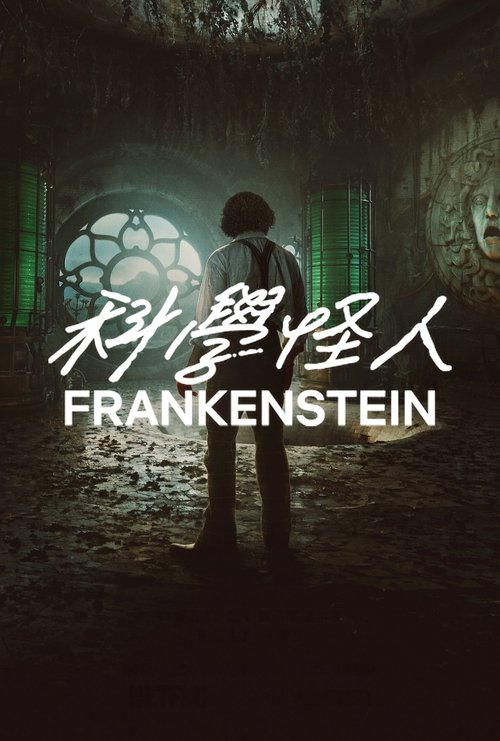
Frankenstein
In a world where science meets horror and horror meets a dash of melodrama, Frankenstein emerges like a half-finished cake—deliciously terrifying yet slightly wonky. Directed by the brilliant James Whale, this classic film from 1931 has had us questioning our electric socket safety for generations. It’s not just a story about a monster; it’s a delightful romp through the creaky halls of morals, ethics, and occasional light bulb malfunctions.
James Whale, a director whose name is often whispered with reverence in gothic circles, wove a narrative that holds a peculiar mirror to society, reflecting our fears and fascinations with creation. At its time, Frankenstein revolutionized horror cinema, freshening up the genre like a splash of cold water to the face.
The plot revolves around the ambitious scientist Victor Frankenstein, who breathes life into a grotesque creature, only to find that his creation craves companionship more than a child craves sugary cereal. As confusion, monstrous misunderstandings, and a few overly dramatic speeches ensue, we witness a tale that echoes the age-old question: “What happens when parental neglect meets existential dread?”
Visually, Whale’s film is an excellent blend of expressionism and early sound techniques. The chiaroscuro lighting whispers secrets of impending doom, while the lab set-up could double as a mad scientist’s Pinterest board. The editing dances between the frenetic energy of the creature’s debuts and tragic introspections, creating a rhythm akin to a heart racing after too much caffeine.
Boris Karloff delivers a performance for the ages as the creature, embodying a complex mixture of fear, loneliness, and confused desire. His minimalist approach speaks volumes, especially in the iconic line, “I am alone. I am unloved.” This not only encapsulates his struggle but cleverly mirrors society’s own issues regarding acceptance and compassion.
The film’s central theme revolves around the perils of unchecked ambition and the quest for acceptance, delving deep into the human condition. Its social commentary on isolation resonates even today. In a world where people often feel like their Instagram filters can’t hide their realities, the creature’s plight becomes painfully relatable.
In the pantheon of monster movies, Frankenstein holds its own alongside other classics like The Mummy and Dracula, yet it stands out for its psychological depth. Unlike Dracula, who is just looking for a night out, Frankenstein’s creature is searching for attachment amidst a backdrop of horror.
Overall, I gleefully award Frankenstein a solid 7.687 out of 10. It’s a delightful blend of horror, pathos, and surprisingly relatable truths about life. So, grab your popcorn, turn off the lights, and prepare to dissect the layers of this ghastly yet heartwarming classic—but for goodness’ sake, be careful with those electrical wires!
————————————————————-
弗兰肯斯坦
在科学与恐怖相遇,恐怖与一些戏剧化碰撞的世界中,弗兰肯斯坦犹如一块半成品的蛋糕般跃然而出——既可怕又美味,却略显歪斜。这部由杰出导演詹姆斯·怀尔执导的经典电影自1931年问世以来,让我们对电插座的安全性产生了深刻的反思。这可不仅仅是一个关于怪物的故事,更是一次在道德、伦理和偶尔的电灯泡故障中漫步的愉快旅程。
詹姆斯·怀尔,这位在哥特风圈中常被尊敬低语的导演,用一面古怪的镜子编织了一个叙事,映射出我们对创造的恐惧与迷恋。在它问世时,弗兰肯斯坦以新鲜的风格革新了恐怖电影,就像一剂冷水拍打在脸上一样。
情节围绕雄心勃勃的科学家维克多·弗兰肯斯坦展开,他在一次实验中赋予了一个丑陋生物生命,最终却发现他的创造物比任何小孩还渴望陪伴。随着混乱、可怕的误解和几段过于戏剧化的独白,故事中的情感焦点持续升温,伴随着古老的问题:“当父母缺席与存在的恐惧相遇,会发生什么?”
从视觉来看,怀尔的电影完美融合了表现主义与早期声音技术。明暗对比的灯光似乎在低声细语着即将降临的厄运,而实验室的布景看起来就像疯狂科学家的Pinterest灵感板。剪辑在生物首次出现的狂热能量与悲剧性自省之间舞动,创造出一种节奏,仿若饮用了过多咖啡后的心跳。
鲍里斯·卡洛夫的表演几乎是薪火相传,他作为生物的演绎体现了一种恐惧、孤独和困惑欲望的复杂组合。他的简约风格语重心长,尤其是在那句经典台词中:“我孤独。我无人可爱。”这句台词不仅概括了他的挣扎,也巧妙地映射了社会有关接纳与同情的问题。
电影的核心主题围绕着不受控制的野心与寻求接纳的危险,深入探讨了人类的境遇。它对此的社会评论在当今依然引人共鸣,尤其是在这个人们常常感觉自己的Instagram滤镜无法掩盖现实的社会中,生物的困境显得异常贴切。
在经典怪物电影的殿堂中,弗兰肯斯坦与木乃伊和德古拉并肩而立,然而其心理深度使其脱颖而出。与只寻求一夜欢愉的德古拉不同,弗兰肯斯坦的生物在恐怖的背景下寻求着绳索。
总体而言,我欣喜地给弗兰肯斯坦打出7.687分。它是恐怖、悲情与令人惊讶的生活真相的奇妙结合。所以,抓好你的爆米花,关掉灯光,准备去解剖这部骇人又温暖人心的经典——但天哪,务必要小心那些电线!
想了解更多:Frankenstein
TMDB评分7.687