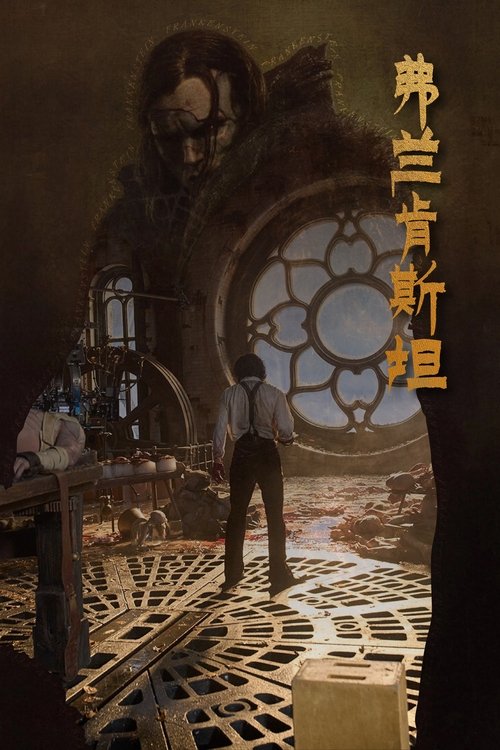
### Frankenstein
If the good doctor had only known that playing with fire would get him burned, he might have just taken up knitting instead. *Frankenstein*, directed by the visionary James Whale, stands as a hallmark of the horror genre, weaving a tale of ambition, responsibility, and a sprinkle of the macabre. Released in 1931, this classic has not only set the bar for creature features but has also given us the unforgettable image of Boris Karloff’s monster, whose every awkward step feels like an exaggerated dance performance—think of an overenthusiastic toddler trying to imitate their favorite monster.
The film follows Victor Frankenstein, a scientist who believes he can play God, assembling life from cadaver parts. In a fit of hubris worthy of a Greek tragedy, he succeeds—only to discover that his creation, resembling a lumbering, misunderstood giant eager for companionship, is more than he bargained for. The narrative deftly explores themes of alienation and the consequences of unchecked ambition, all while keeping a solemn air of gothic atmosphere.
Whale’s directorial touch is both playful and grim, utilizing shadows to enhance the suspense while employing a somewhat theatrical flair for dialogue. The cinematography, led by Arthur Edeson, is a feast for the eyes—think chiaroscuro, but with a bloody twist. The montage sequences, particularly when Frankenstein brings the monster to life, cleverly juxtapose the joyous and horrifying, evoking both laughter and horror. The haunting score by Franz Waxman adds another layer, composing a symphony that feels like the world’s most uncomfortable lullaby.
Karloff’s performance is nothing short of legendary. His creature embodies the struggle between innocence and monstrosity, with his trembling hands and sad, searching eyes. In the poignant line, “*It’s alive! It’s alive!*” we sense not just the thrill of creation but also the dawning realization of the horror unleashed. The contrast between Frankenstein’s magical ambition and the tragic fate of his monster serves as a big, looming metaphor—sometimes, the creator gets more than they bargained for.
While *Frankenstein* resonates with the same existential dread found in later masterpieces like *The Elephant Man* and *Hereditary*, it brilliantly dances on the line between horror and humor. Its exploration of societal rejection elevates it above simple frights, a conversation partner to works both modern and classic, like *Metropolis* and *A Clockwork Orange*, that contemplate the human experience.
Rating: 7.977/10. If you’re in the mood for a film that combines a good scare with philosophical musings and a dash of humor from a time when horror was a tad less polished, don’t miss this gem. After all, who wouldn’t want to spend time with a creature who just wants to be loved—while also considering an existential crisis?
—
### 科幻怪谈:弗兰肯斯坦
如果好心的博士知道玩火会被烧得体无完肤,他或许就该去学学编织了。《弗兰肯斯坦》,由梦幻导演詹姆斯·维尔执导,是恐怖类型中的一颗璀璨明珠,讲述了一则关于野心、责任和一丝阴郁的故事。作为1931年的经典之作,它不仅为生物恐怖片设立了标杆,更为我们提供了无法忘怀的博里斯·卡洛夫的怪物形象,那步伐笨拙的样子,恰似一个热爱模仿的幼儿在舞蹈表演。
这部影片讲述了科学家维克托·弗兰肯斯坦的故事,他相信自己能够扮演上帝的角色,从尸体零件中拼凑出生命。在极度自大的情况下,他成功了——却发现自己的创造物更像一个笨拙、受误解的巨人,渴望陪伴,远超出他的预期。叙事巧妙地探讨了孤立和放任野心带来的结果,同时保持着阴郁的哥特式氛围。
维尔的导演手法既顽皮又严肃,利用阴影增强悬念,同时结合戏剧化的对话。阿瑟·艾迪森的摄影美不胜收——想象一下明暗对照,但带着血腥的扭曲。特别是在弗兰肯斯坦复活怪物的蒙太奇中,欢乐与恐怖的巧妙交替,引发观众的笑声与恐惧交织。弗朗茨·瓦克斯曼的音乐为其增添了另一层色彩,谱写出一曲让人不安的摇篮曲。
卡洛夫的表演传奇无比。他所扮演的怪物体现了无辜与怪诞的挣扎,那颤抖的手与悲伤、渴望的目光在电影中格外引人注目。在那句深刻的台词:“它活了!它活了!”中,我们不仅感受到创造的震撼,也意识到释放的恐怖。弗兰肯斯坦的神奇野心与他的怪物悲惨命运之间的对比,成为一种深刻的比喻——有时,创造者得到的总比他们想象的更多。
《弗兰肯斯坦》与《大象人》和《遗传厄运》等后来的经典作品引发的生存危机感有着共鸣,但它则在恐怖与幽默间轻盈地舞动。对社会排斥的探讨使得其超越了简单的恐惧,成为《大都会》和《发条橙》等作品的对话者,深刻思索着人类经验。
评分:7.977/10。如果你想找一部结合了恐怖、美学和生命哲学的电影,但又想享受轻松的观影体验,绝不可错过这部瑰宝。毕竟,谁不想和一个只想被爱的生物共度时光——同时也考虑到他的生存危机呢?
TMDB评分7.977